Introduction:
Building a house is one of the most important investments for any family. A strong and durable home begins with proper planning, quality construction materials, and skilled workmanship. The foundation stage is especially important because it supports the entire structure. Along with footing construction, homeowners should also plan for essential utilities such as septic tanks and water storage tanks.
Importance of Footing in Home Construction
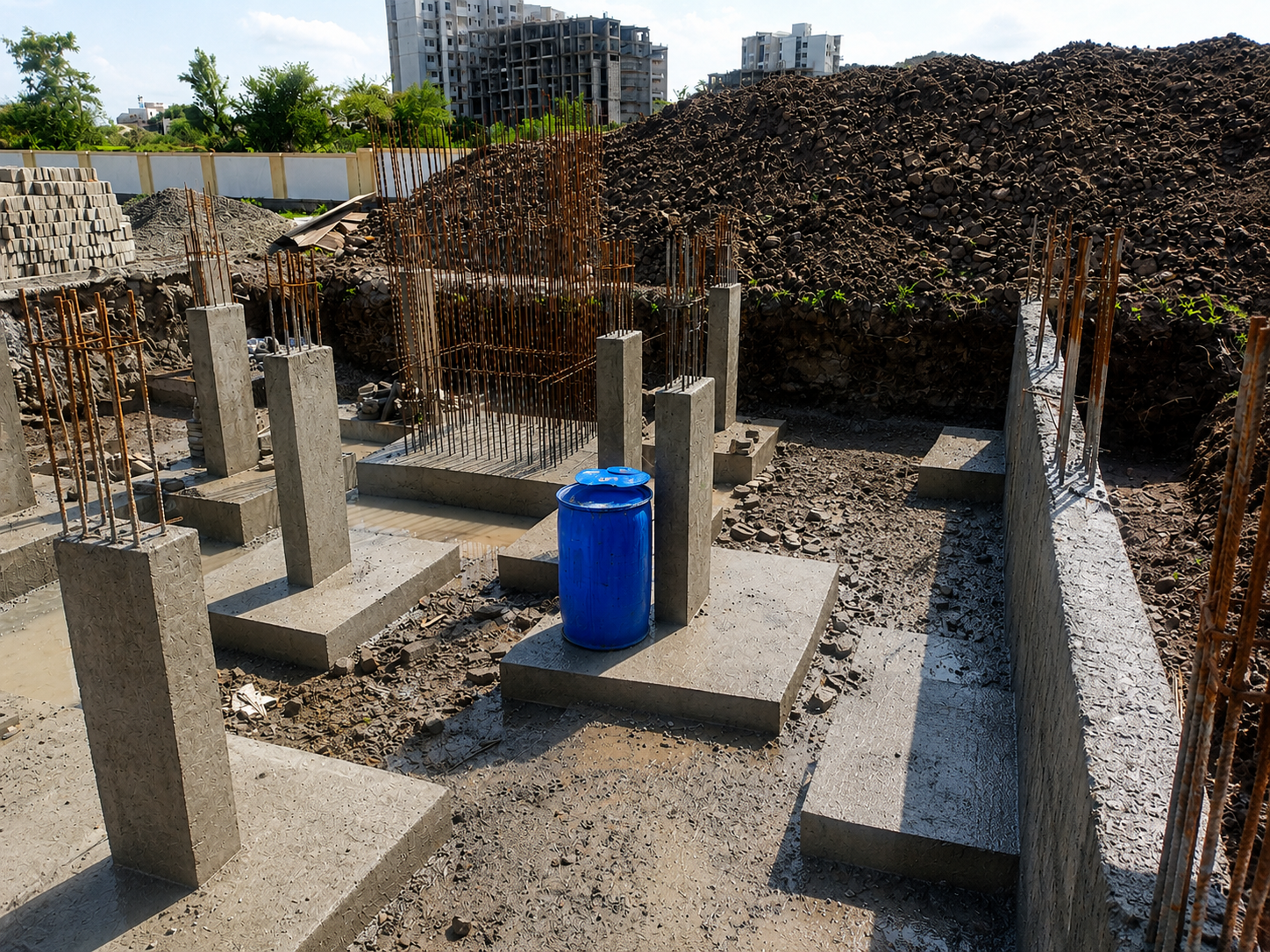
The footing is the lowest part of a building foundation. Its primary purpose is to transfer the load of the building safely to the soil.
Benefits of a Strong Footing
- Supports the weight of the building
- Reduces the risk of cracks in walls and floors
- Prevents uneven settlement
- Improves structural stability
- Increases the life span of the building
Before footing work begins, the soil condition should be evaluated. The size and depth of the footing depend on the type of soil and the load of the building.
Stages of Footing Construction
Footing construction is completed through several important steps.
Site Layout and Marking
- Measuring plot dimensions
- Marking column locations
- Establishing building lines
Excavation
- Digging foundation pits
- Removing loose soil
- Preparing the base level
Plain Cement Concrete (PCC)
- Creating a clean and level surface
- Providing a stable base for reinforcement
Steel Reinforcement Work
- Placing reinforcement bars according to design
- Ensuring proper spacing and cover
Concrete Pouring
- Filling footings with concrete
- Compacting concrete properly
- Eliminating air pockets
Curing
- Keeping concrete moist
- Improving strength and durability
- Preventing surface cracks
Cost of Footing Construction
The cost of footing construction depends on several factors such as soil conditions, building size, local labor rates, and material prices.
Major Cost Components
- Excavation work
- Cement and concrete
- Reinforcement steel
- Labor charges
- Transportation costs
- Curing and miscellaneous expenses
For many residential buildings, foundation and footing work may account for approximately 10% to 15% of the total construction budget.
Factors Affecting Foundation Cost
Several factors influence footing and foundation expenses.
Soil Type
- Hard soil generally requires less reinforcement
- Soft soil may require larger footings
Building Size
- Larger homes require more concrete and steel
- Additional floors increase foundation requirements
Material Prices
- Cement rates
- Steel rates
- Sand and aggregate costs
Labor Charges
- Skilled labor availability
- Local wage rates
Septic Tank Planning
A septic tank is an important component of a home's wastewater management system. It collects and treats wastewater from bathrooms, kitchens, and toilets before releasing it safely into the ground.
Importance of a Septic Tank
- Provides sanitation for the home
- Treats household wastewater
- Reduces environmental pollution
- Supports areas without municipal sewer systems
Septic Tank Location
The location of the septic tank should be carefully planned during the foundation stage.
Important Considerations
- Away from drinking water sources
- Easily accessible for cleaning
- Located in a well-drained area
- Compliant with local regulations
Proper location selection reduces maintenance problems and protects groundwater quality.
Septic Tank Construction
Most residential septic tanks are constructed using reinforced cement concrete.
Construction Components
- Excavation of tank pit
- RCC base slab
- RCC walls and partitions
- Inlet and outlet pipes
- Inspection chambers
- Ventilation pipe
- Waterproof plastering
The tank size should be determined based on the number of occupants and expected wastewater generation.
Water Tank Planning
A reliable water storage system is essential for every home. Planning water tank locations during construction improves plumbing efficiency and reduces future expenses.
Types of Water Tanks
- Underground water tanks
- Overhead water tanks
- Plastic storage tanks
- RCC water tanks
Underground Water Tank
Advantages
- Saves space
- Protected from sunlight
- Maintains cooler water temperature
- Enhances property appearance
Considerations
- Proper waterproofing
- Quality construction materials
- Easy access for cleaning
Overhead Water Tank
Advantages
- Consistent water pressure
- Reduced pumping requirements
- Simple distribution system
Considerations
- Strong structural support
- Regular cleaning
- Leak prevention measures
Water Tank Capacity
Water tank size depends on family size and daily water usage.
General Guidelines
- Small family: 1,000–1,500 liters
- Medium family: 2,000–3,000 liters
- Large family: 3,000–5,000 liters
Benefits of Early Planning
Planning footing, septic tank, and water tank locations together during the construction stage offers several advantages.
Key Benefits
- Reduced future excavation costs
- Better plumbing layout
- Improved space utilization
- Easier maintenance
- Increased construction efficiency
Conclusion
A successful home construction project begins with a strong foundation. Proper footing design and construction provide stability and durability for the entire building. Careful budgeting for foundation work ensures quality without exceeding financial limits. At the same time, planning essential infrastructure such as septic tanks and water storage tanks improves the functionality and convenience of the home.
By focusing on strong footing construction, efficient septic tank design, and adequate water storage planning, homeowners can create a durable, comfortable, and long-lasting residence that serves their family for many years. Construction: Footing Cost, Septic Tank and Water Tank Planning
Building a house is one of the most important investments for any family. A strong and durable home begins with proper planning, quality construction materials, and skilled workmanship. The foundation stage is especially important because it supports the entire structure. Along with footing construction, homeowners should also plan for essential utilities such as septic tanks and water storage tanks.
Importance of Footing in Home Construction
The footing is the lowest part of a building foundation. Its primary purpose is to transfer the load of the building safely to the soil.
Benefits of a Strong Footing
- Supports the weight of the building
- Reduces the risk of cracks in walls and floors
- Prevents uneven settlement
- Improves structural stability
- Increases the life span of the building
Before footing work begins, the soil condition should be evaluated. The size and depth of the footing depend on the type of soil and the load of the building.
Stages of Footing Construction
Footing construction is completed through several important steps.
Site Layout and Marking
- Measuring plot dimensions
- Marking column locations
- Establishing building lines
Excavation
- Digging foundation pits
- Removing loose soil
- Preparing the base level
Plain Cement Concrete (PCC)
- Creating a clean and level surface
- Providing a stable base for reinforcement
Steel Reinforcement Work
- Placing reinforcement bars according to design
- Ensuring proper spacing and cover
Concrete Pouring
- Filling footings with concrete
- Compacting concrete properly
- Eliminating air pockets
Curing
- Keeping concrete moist
- Improving strength and durability
- Preventing surface cracks
Cost of Footing Construction
The cost of footing construction depends on several factors such as soil conditions, building size, local labor rates, and material prices.
Major Cost Components
- Excavation work
- Cement and concrete
- Reinforcement steel
- Labor charges
- Transportation costs
- Curing and miscellaneous expenses
For many residential buildings, foundation and footing work may account for approximately 10% to 15% of the total construction budget.
Factors Affecting Foundation Cost
Several factors influence footing and foundation expenses.
Soil Type
- Hard soil generally requires less reinforcement
- Soft soil may require larger footings
Building Size
- Larger homes require more concrete and steel
- Additional floors increase foundation requirements
Material Prices
- Cement rates
- Steel rates
- Sand and aggregate costs
Labor Charges
- Skilled labor availability
- Local wage rates
Septic Tank Planning
A septic tank is an important component of a home's wastewater management system. It collects and treats wastewater from bathrooms, kitchens, and toilets before releasing it safely into the ground.
Importance of a Septic Tank
- Provides sanitation for the home
- Treats household wastewater
- Reduces environmental pollution
- Supports areas without municipal sewer systems
Septic Tank Location
The location of the septic tank should be carefully planned during the foundation stage.
Important Considerations
- Away from drinking water sources
- Easily accessible for cleaning
- Located in a well-drained area
- Compliant with local regulations
Proper location selection reduces maintenance problems and protects groundwater quality.
Septic Tank Construction
Most residential septic tanks are constructed using reinforced cement concrete.
Construction Components
- Excavation of tank pit
- RCC base slab
- RCC walls and partitions
- Inlet and outlet pipes
- Inspection chambers
- Ventilation pipe
- Waterproof plastering
The tank size should be determined based on the number of occupants and expected wastewater generation.
Water Tank Planning
A reliable water storage system is essential for every home. Planning water tank locations during construction improves plumbing efficiency and reduces future expenses.
Types of Water Tanks
- Underground water tanks
- Overhead water tanks
- Plastic storage tanks
- RCC water tanks
Underground Water Tank
Advantages
- Saves space
- Protected from sunlight
- Maintains cooler water temperature
- Enhances property appearance
Considerations
- Proper waterproofing
- Quality construction materials
- Easy access for cleaning
Overhead Water Tank
Advantages
- Consistent water pressure
- Reduced pumping requirements
- Simple distribution system
Considerations
- Strong structural support
- Regular cleaning
- Leak prevention measures
Water Tank Capacity
Water tank size depends on family size and daily water usage.
General Guidelines
- Small family: 1,000–1,500 liters
- Medium family: 2,000–3,000 liters
- Large family: 3,000–5,000 liters
Benefits of Early Planning
Planning footing, septic tank, and water tank locations together during the construction stage offers several advantages.
Key Benefits
- Reduced future excavation costs
- Better plumbing layout
- Improved space utilization
- Easier maintenance
- Increased construction efficiency
Conclusion
A successful home construction project begins with a strong foundation. Proper footing design and construction provide stability and durability for the entire building. Careful budgeting for foundation work ensures quality without exceeding financial limits. At the same time, planning essential infrastructure such as septic tanks and water storage tanks improves the functionality and convenience of the home.
By focusing on strong footing construction, efficient septic tank design, and adequate water storage planning, homeowners can create a durable, comfortable, and long-lasting residence that serves their family for many years.