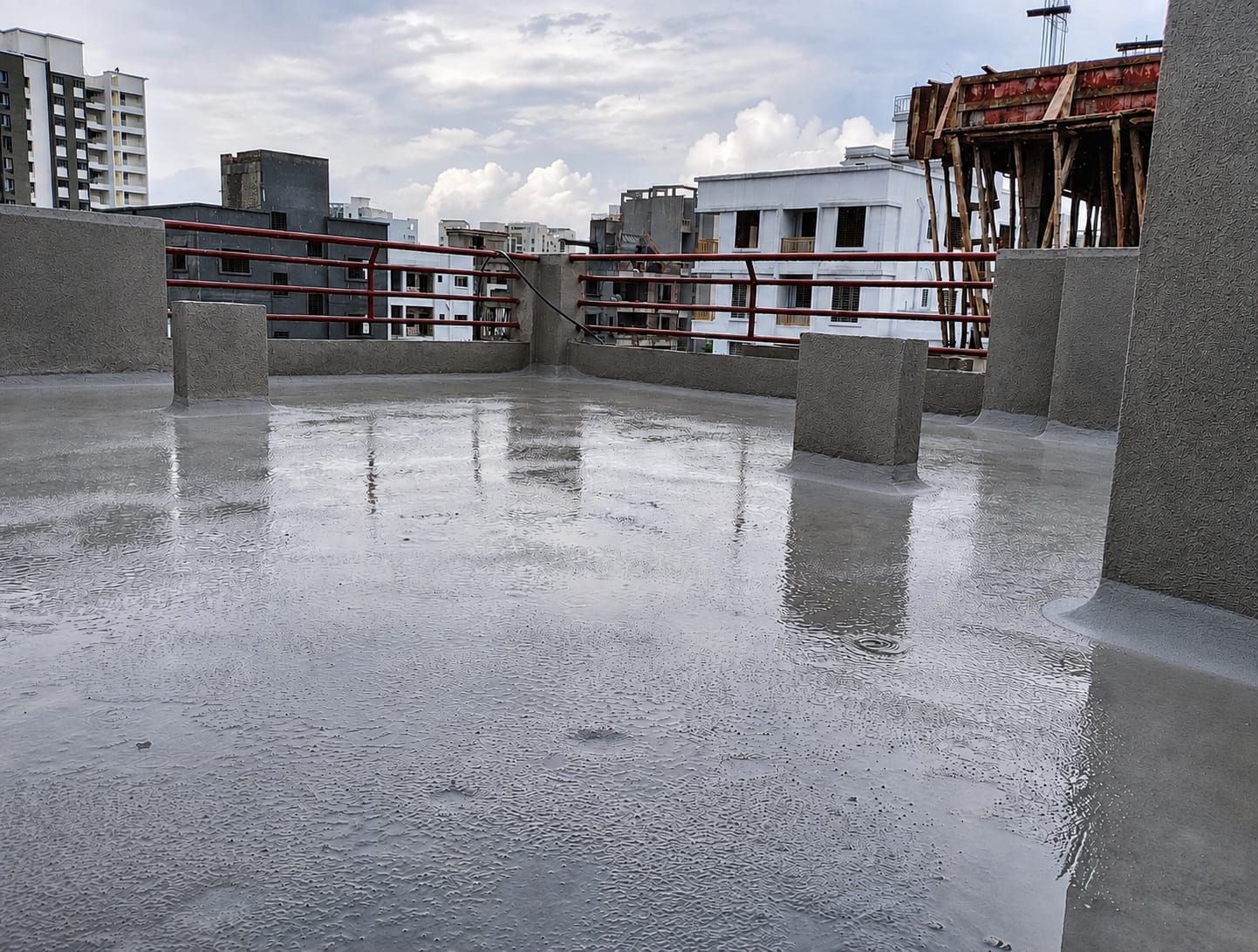
Introduction
Waterproofing is a critical aspect of construction that protects buildings and structures from water penetration, moisture damage, and deterioration. Without proper waterproofing, water can seep into walls, roofs, basements, and foundations, leading to structural damage, mold growth, corrosion, and costly repairs.
Different waterproofing methods are available in the construction industry, each offering varying levels of protection, durability, flexibility, and cost. Understanding these methods helps property owners, builders, and engineers select the most suitable solution based on project requirements and budget.
What Is Waterproofing?
Waterproofing is the process of applying specialized materials and systems to prevent water from entering a structure. It creates a protective barrier that protects buildings from rainwater, groundwater, humidity, and moisture.
Waterproofing is commonly used in:
- Roofs and terraces
- Basements and foundations
- Bathrooms and kitchens
- Water tanks
- Balconies
- Retaining walls
- Swimming pools
Proper waterproofing significantly extends the lifespan of a structure and minimizes maintenance requirements.
Common Waterproofing Methods
1. Cementitious Waterproofing
Cementitious waterproofing is one of the most widely used and cost-effective waterproofing methods. It consists of cement-based coatings mixed with waterproofing additives that are applied directly to concrete surfaces.
Advantages:
- Easy application
- Low material cost
- Good adhesion to concrete
- Suitable for residential projects
Limitations:
- Limited flexibility
- Can develop cracks if structural movement occurs
Cost Level: Low
Durability: 5–10 Years
2. Bituminous Waterproofing
Bituminous waterproofing utilizes asphalt-based materials in liquid or membrane form. It is commonly used for foundations, roofs, and underground structures due to its strong resistance to water penetration.
Advantages:
- Excellent water resistance
- Good durability
- Strong adhesion
Limitations:
- Requires UV protection in exposed areas
- Professional installation may be needed
Cost Level: Medium
Durability: 10–15 Years
3. Liquid Waterproofing Membrane
Liquid waterproofing membranes are applied as liquid coatings that cure to form a seamless and flexible waterproof layer.
Advantages:
- Seamless protection
- High flexibility
- Suitable for irregular surfaces
- Good weather resistance
Limitations:
- Requires proper surface preparation
- Application thickness must be controlled
Cost Level: Medium to High
Durability: 10–20 Years
4. Polyurethane Waterproofing
Polyurethane waterproofing is a premium waterproofing solution known for its superior elasticity and long service life.
Advantages:
- Exceptional flexibility
- Excellent crack-bridging capability
- High weather resistance
- Long lifespan
Limitations:
- Higher initial cost
- Requires skilled applicators
Cost Level: High
Durability: 15–25 Years
5. Crystalline Waterproofing
Crystalline waterproofing uses chemical compounds that react with moisture and concrete particles to form crystals inside the concrete structure.
Advantages:
- Becomes part of the concrete
- Self-seals minor cracks
- Long-lasting protection
- Low maintenance requirements
Limitations:
- Suitable mainly for concrete structures
- Higher upfront investment
Cost Level: Medium to High
Durability: 20–30+ Years
Comparison of Waterproofing Methods
| Waterproofing Method | Cost | Durability | Best Applications |
|---------------------|------|------------|-------------------|
| Cementitious Waterproofing | Low | 5–10 Years | Bathrooms, Water Tanks |
| Bituminous Waterproofing | Medium | 10–15 Years | Roofs, Foundations |
| Liquid Waterproofing Membrane | Medium-High | 10–20 Years | Terraces, Balconies |
| Polyurethane Waterproofing | High | 15–25 Years | Exposed Roofs |
| Crystalline Waterproofing | Medium-High | 20–30+ Years | Basements, Concrete Structures |
Cost vs Durability Analysis
When selecting a waterproofing system, both initial cost and expected lifespan should be considered. Cementitious waterproofing has the lowest upfront cost but also the shortest lifespan. Bituminous waterproofing and liquid membranes offer a balance between affordability and durability.
Polyurethane waterproofing provides superior flexibility and long-term performance, making it ideal for premium projects. Crystalline waterproofing offers the longest service life and often provides the best long-term value despite higher initial costs.
Factors Affecting Waterproofing Costs
Several factors influence waterproofing expenses:
- Type of waterproofing material
- Surface area to be treated
- Building condition
- Labor costs
- Number of waterproofing layers
- Accessibility of the area
- Environmental exposure conditions
- Material quality
Choosing the Right Waterproofing Method
The ideal waterproofing solution depends on:
- Available budget
- Exposure to moisture and weather
- Structural movement
- Maintenance expectations
- Desired service life
- Type of construction
Bathrooms and kitchens generally require cementitious waterproofing, while roofs and terraces benefit from liquid membranes or polyurethane systems. Foundations and basements often perform best with bituminous or crystalline waterproofing solutions.
Conclusion
Waterproofing is an essential investment that protects structures from water damage and extends their service life. Different waterproofing methods offer varying levels of cost, flexibility, and durability. By understanding the strengths and limitations of each waterproofing system, property owners and construction professionals can select the most effective solution for long-term building protection and reduced maintenance costs.